Skip to content
QuorlyticTalk to a Data ExpertContact
Menu

Engineering perspectives

Think through the architecture.

Insights are original engineering perspectives on data platforms, analytics and enterprise AI — written as decision guides rather than announcements. Each article states its assumptions, trade-offs and technical references, and links to the capability that delivers the work, so a reader can evaluate the approach before committing to it.

Original engineering perspectives on data platforms, analytics and enterprise AI — with explicit assumptions, trade-offs and technical references.

  • Architecture guides
  • Platform engineering
  • Enterprise AI

Featured perspective

AI-Ready Enterprise Data Architecture

A practical framework for AI-ready enterprise data: source ownership, permissions, freshness, retrieval evaluation and safe operational handover.

Architecture guide · 14 min read · Sep 10, 2026Read the guide

The library

Engineering perspectives.

37 published guides

Filter perspectives by topic
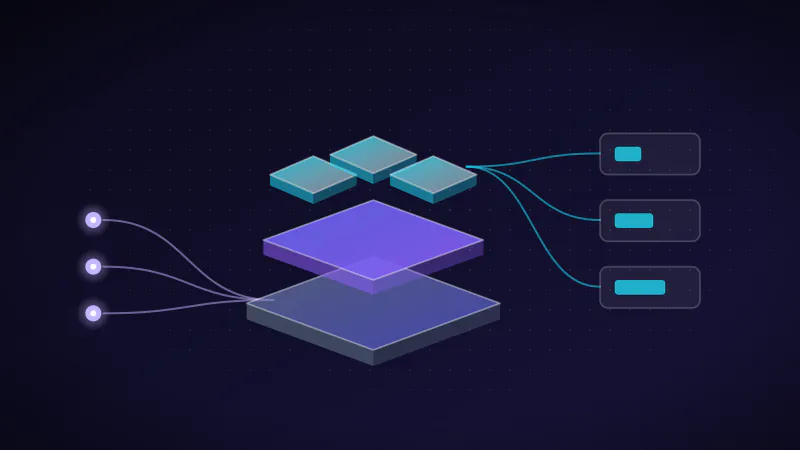
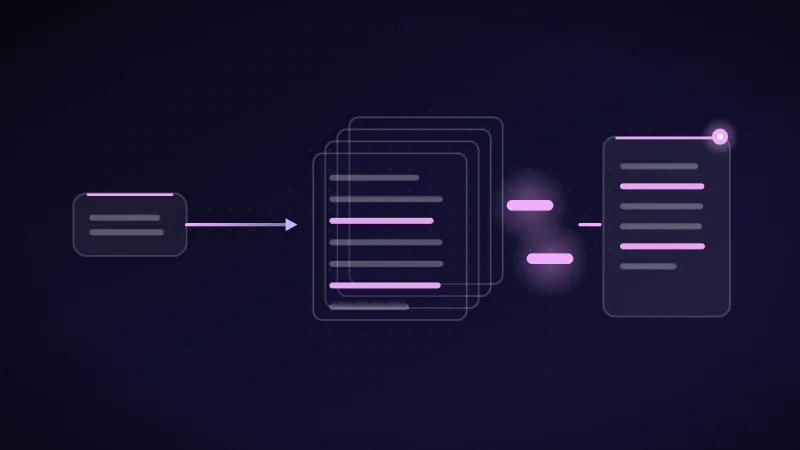
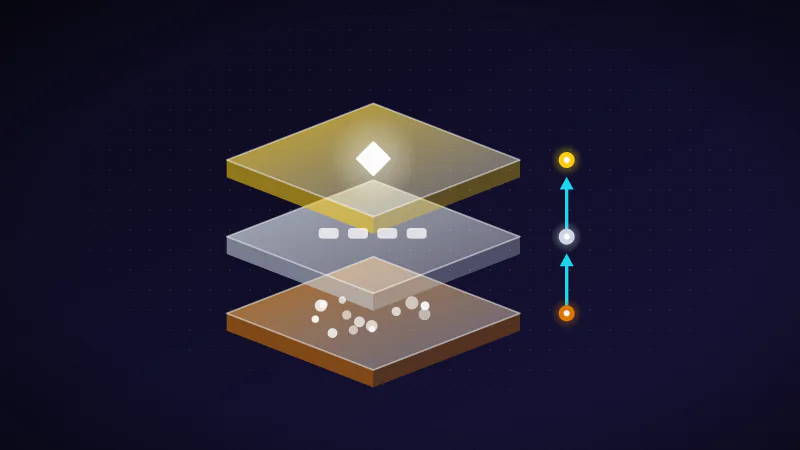
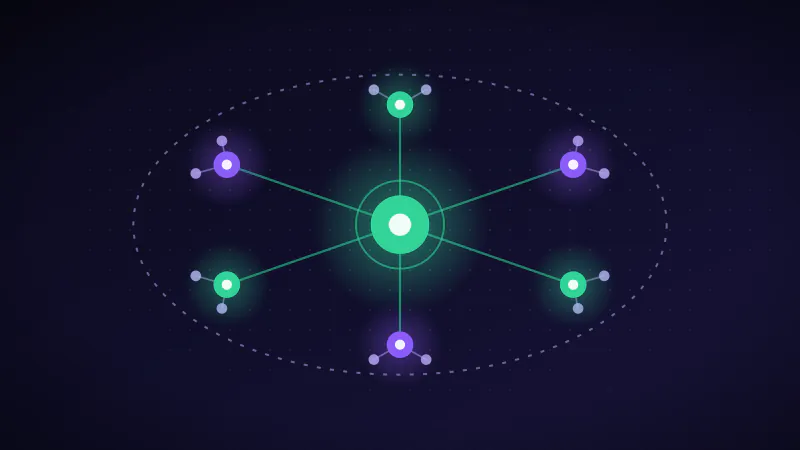
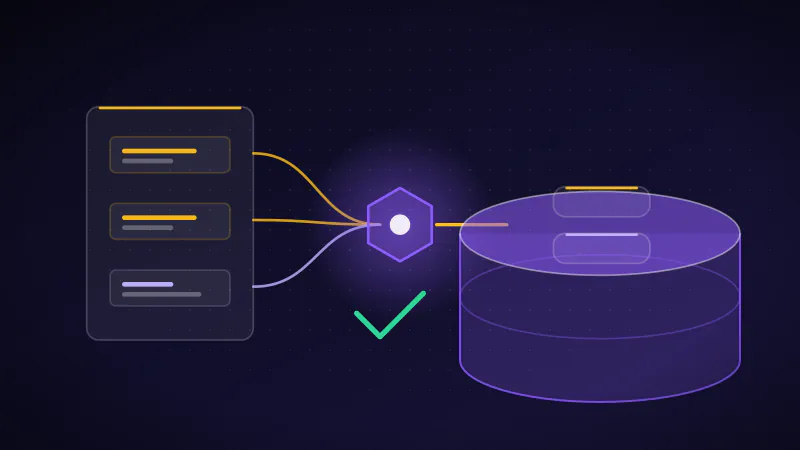
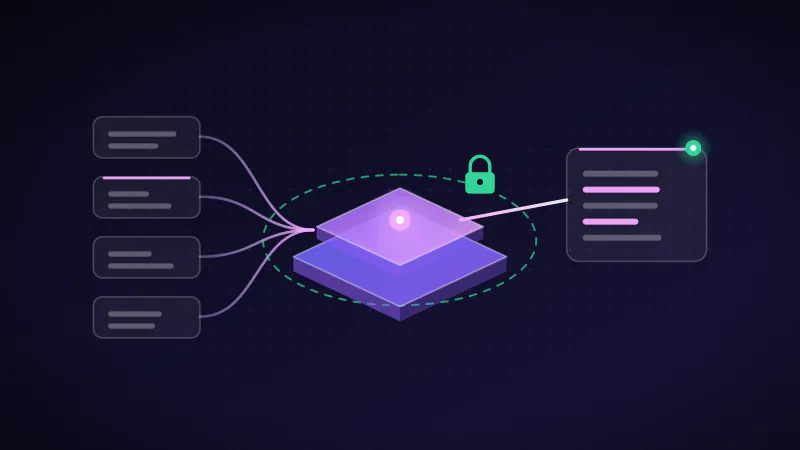
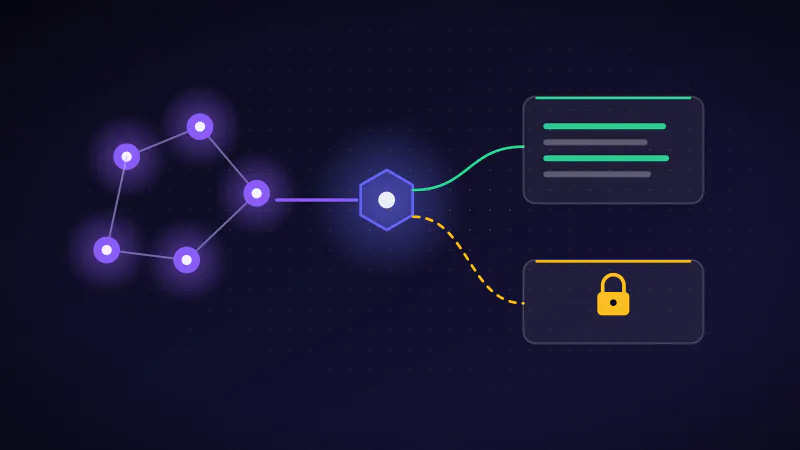
Illustration: four data sources feeding a governed, access-controlled platform that returns a cited answer.

Architecture guideAI Systems

AI-Ready Enterprise Data Architecture

A practical framework for AI-ready enterprise data: source ownership, permissions, freshness, retrieval evaluation and safe operational handover.
Deepesh PatelDeepesh Patel14 min read

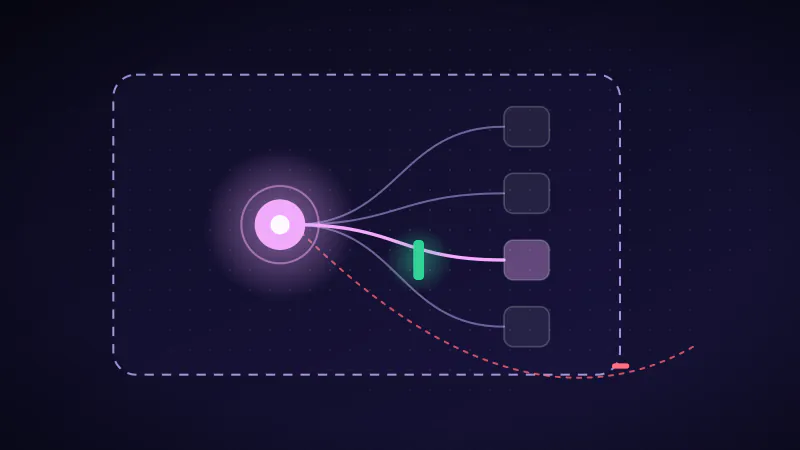
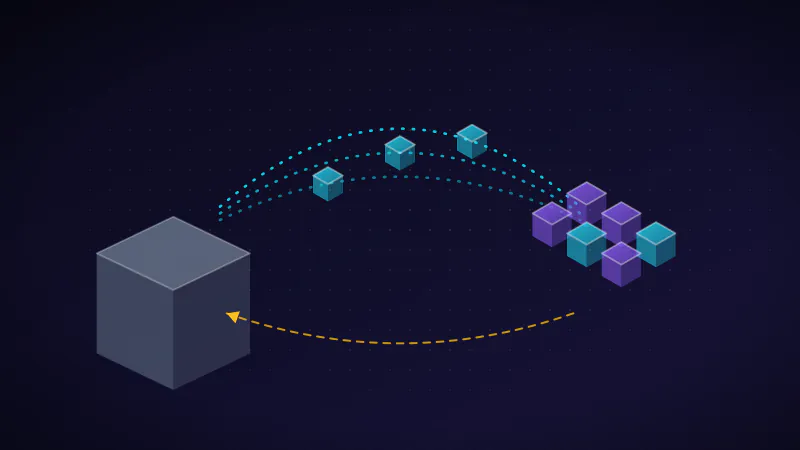
Illustration: workloads moving in phased waves from a legacy warehouse to a new platform, with a rollback path.

Engineering guidePlatform Engineering

Warehouse Migration Playbook

Plan warehouse migration waves with dependency mapping, business reconciliation, dual running, rollback and retirement acceptance criteria.

Deepesh PatelDeepesh Patel12 min read

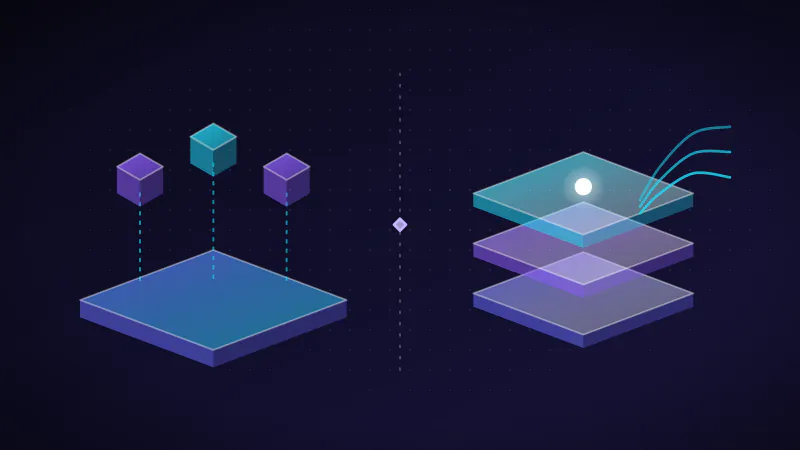
Illustration: separate compute clusters over shared storage, beside a layered lakehouse fed by streaming data.

ComparisonPlatform Engineering

Snowflake vs Databricks

Compare Snowflake and Databricks on workload fit, architecture, operating model, skills, governance, cost and migration implications.

Deepesh PatelDeepesh Patel10 min read

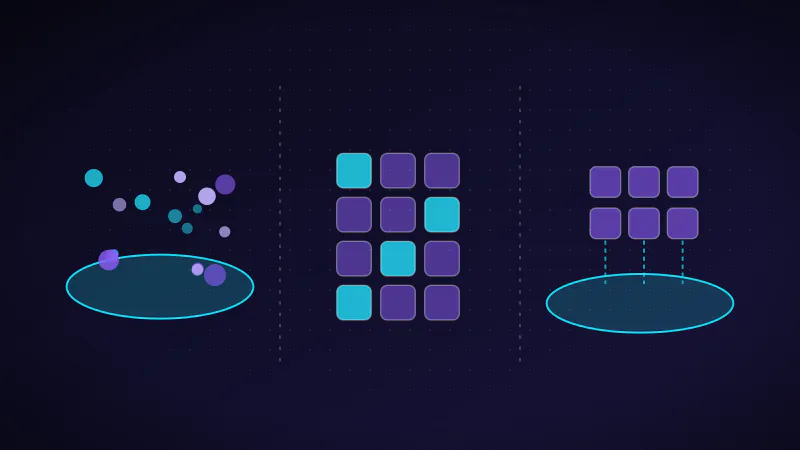
Illustration: scattered raw data in a lake, ordered tables in a warehouse, and tables layered over a lake.

ComparisonPlatform Engineering

Data Lake vs Warehouse vs Lakehouse

Compare data lake, data warehouse and lakehouse on workload fit, architecture, governance, cost, skills and migration implications.

Deepesh PatelDeepesh Patel9 min read

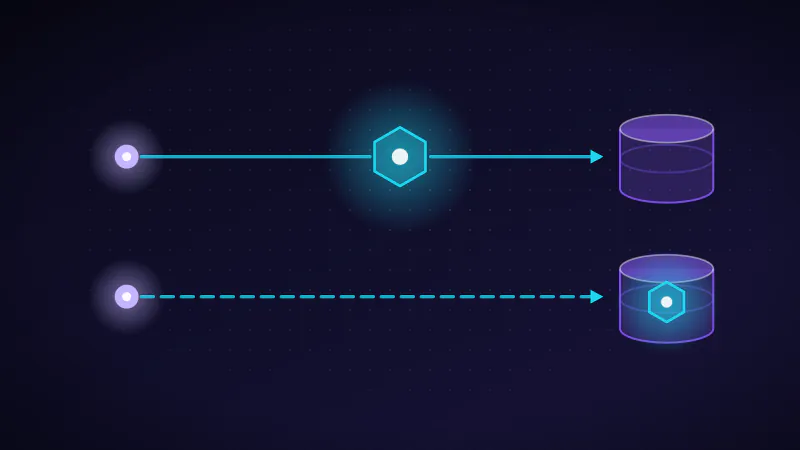
Illustration: two pipelines, one transforming data before loading it and one transforming it inside the destination.

ComparisonData Architecture

ETL vs ELT

Compare ETL and ELT on where transformation runs, latency, cost model, skills, governance, schema-change handling and replay.

Deepesh PatelDeepesh Patel8 min read

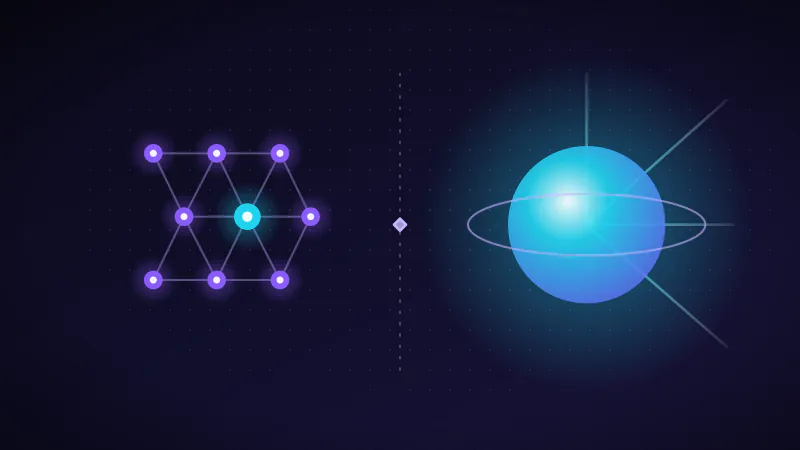
Illustration: a network of distributed compute nodes beside a single serverless engine receiving queries.

ComparisonPlatform Engineering

Databricks vs BigQuery

Compare Databricks and BigQuery on processing model, concurrency, governance, cost model, skills and migration implications.

Deepesh PatelDeepesh Patel8 min read

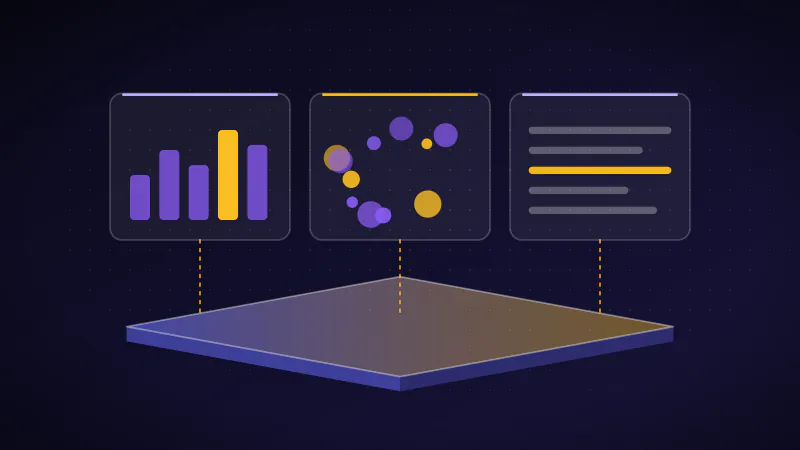
Illustration: three differently styled dashboards all built on one shared semantic layer.

ComparisonAnalytics & BI

Power BI vs Tableau vs Looker

Compare Power BI, Tableau and Looker on modelling approach, governance, licensing, skills, delivery model and migration implications.

Deepesh PatelDeepesh Patel10 min read

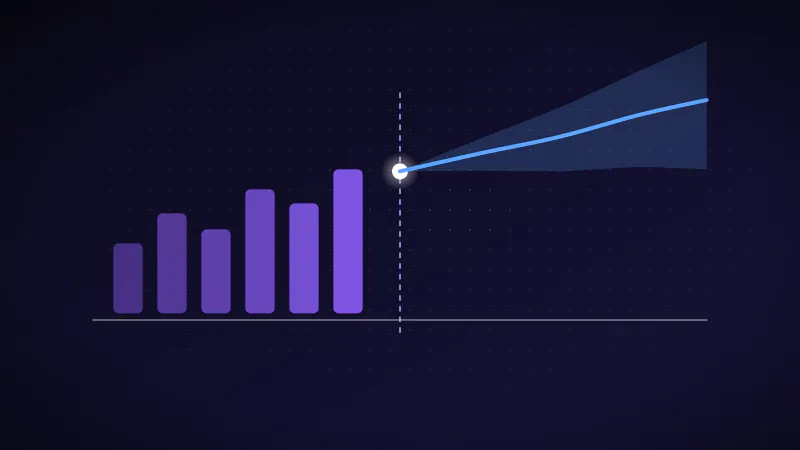
Illustration: historical bars up to today, then a forecast line with a widening uncertainty band.

ComparisonAnalytics & BI

Data Analytics vs Data Science

Compare data analytics and data science on the questions they answer, skills, tooling, governance and where each creates business value.

Deepesh PatelDeepesh Patel8 min read

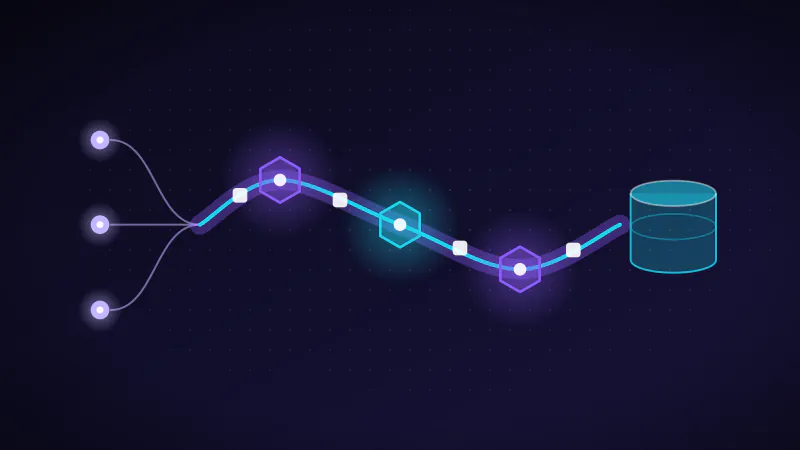
Illustration: sources flowing through three processing stages into a destination store.

Engineering guideData Architecture

What Is a Data Pipeline?

What a data pipeline is, how batch, streaming and change data capture differ, and what production pipelines must guarantee to be trusted.

Deepesh PatelDeepesh Patel8 min read

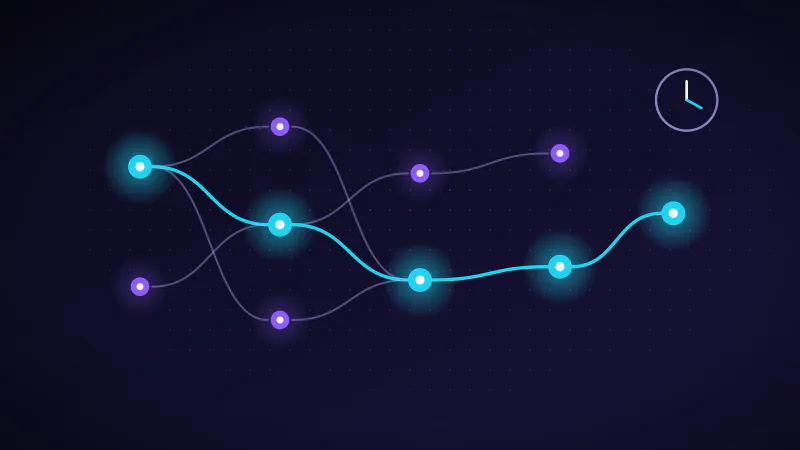
Illustration: a directed task graph with one dependency path highlighted and a schedule clock.

Engineering guideData Architecture

Data Orchestration: Airflow and dbt

How orchestration differs from scheduling, where Airflow and dbt fit, and who owns dependencies, backfills, alerts and recovery.

Deepesh PatelDeepesh Patel8 min read

Illustration: staging, core and mart layers stacked in a warehouse, serving downstream reports.

Engineering guidePlatform Engineering

Data Warehouse Architecture

Warehouse layers, grain, marts and semantic models: how to design a warehouse that answers the same question the same way every time.

Deepesh PatelDeepesh Patel9 min read

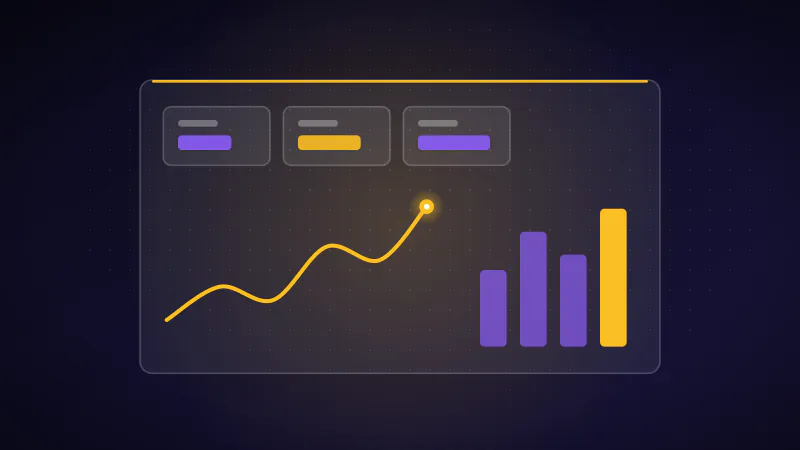
Illustration: a business dashboard with KPI tiles, a trend line and a bar chart.

Analytics guideAnalytics & BI

What Is Business Intelligence?

What business intelligence is, how it differs from reporting and data science, and what a governed decision layer actually requires.

Deepesh PatelDeepesh Patel8 min read

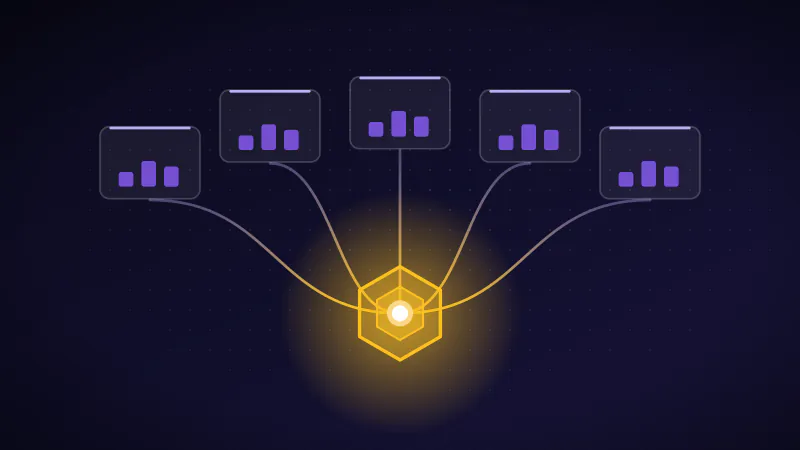
Illustration: five dashboards all drawing on a single governed metric definition.

Analytics guideOperations

Semantic Models and Metric Governance

How semantic models and metric governance stop teams reporting different numbers, and what a metric definition must state to be usable.

Deepesh PatelDeepesh Patel8 min read

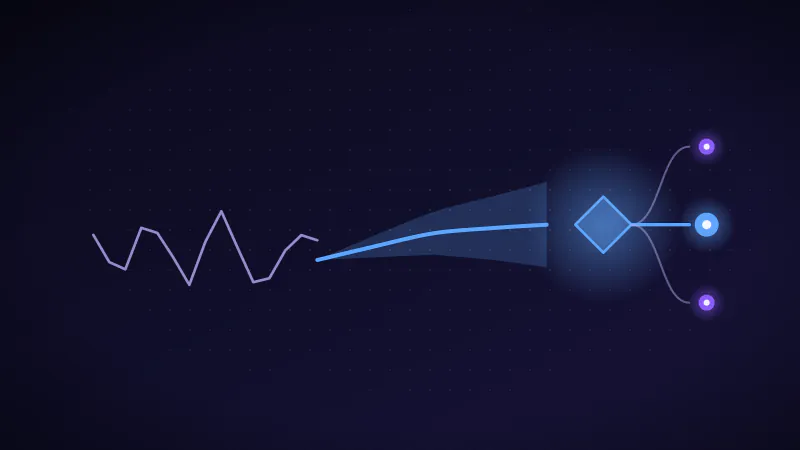
Illustration: a noisy signal becoming a forecast with a confidence band, leading to a decision.

Analytics guideAnalytics & BI

Predictive Analytics: From Signal to Action

How predictive analytics becomes a decision: model families, label quality, evaluation, intervention design and monitoring in production.

Deepesh PatelDeepesh Patel9 min read

Illustration: a question retrieving highlighted passages from a document store to produce a cited answer.

AI guideAI Systems

What Is RAG?

What retrieval-augmented generation is: the retrieval pipeline, chunking and indexing choices, permissions, citations, evaluation and failure modes.

Deepesh PatelDeepesh Patel9 min read

Illustration: a generative model at the centre of enterprise workflows, with one review checkpoint.

AI guideAI Systems

Generative AI in the Enterprise

How enterprises choose generative AI tasks: workflow fit, data readiness, evaluation, permissions, cost, failure modes and human review.

Deepesh PatelDeepesh Patel9 min read

Illustration: an AI agent calling tools inside a guardrail boundary, with one action held at an approval gate.

AI guideAI Systems

AI Agents: When Autonomy Works

Where AI agents help, how they differ from workflows and RAG, and how to bound tool permissions, approvals, audit and rollback.

Deepesh PatelDeepesh Patel8 min read

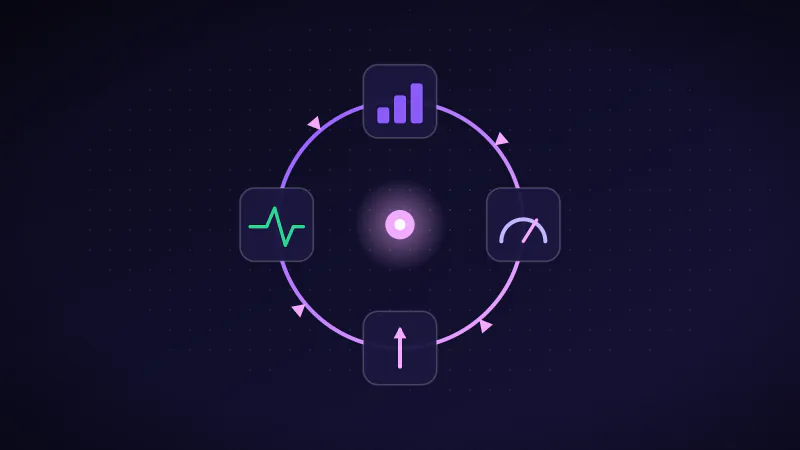
Illustration: a continuous loop of training, evaluation, deployment and monitoring.

Operations guideAI Systems

MLOps: Operating Models in Production

MLOps operating models: model release paths, data and feature validation, evaluation gates, monitoring, drift, rollback and incident ownership.

Deepesh PatelDeepesh Patel9 min read

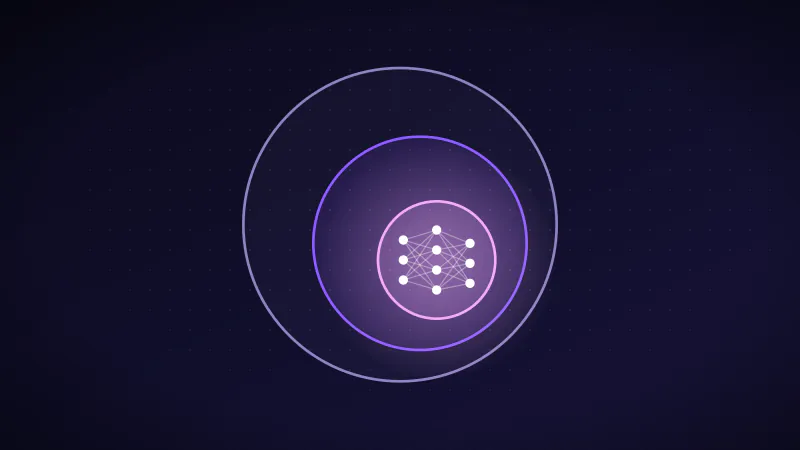
Illustration: nested circles for AI, machine learning and deep learning, with a neural network at the core.

ComparisonAI Systems

AI vs Machine Learning vs Deep Learning

How artificial intelligence, machine learning and deep learning relate, what each needs in practice, and which questions belong to which layer.

Deepesh PatelDeepesh Patel8 min read

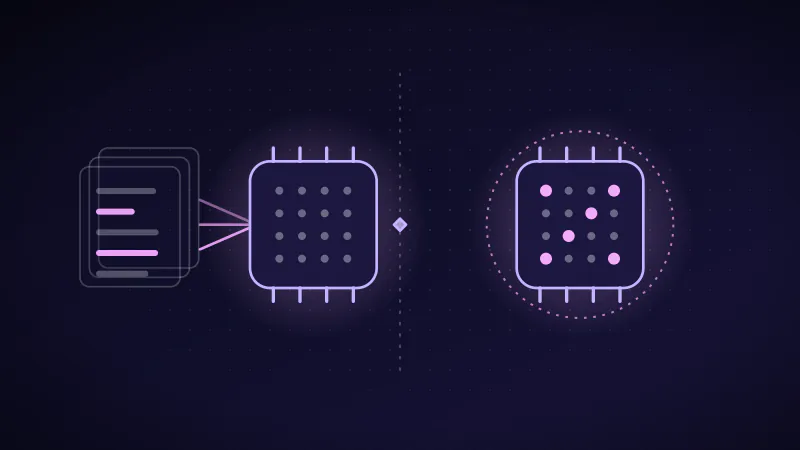
Illustration: a model reading external documents, beside a model whose internal weights have changed.

Decision guideAI Systems

RAG vs Fine-Tuning

RAG vs fine-tuning: which problem each one actually solves, what they cost to run and keep current, and why most enterprise systems need both.

Deepesh PatelDeepesh Patel12 min read

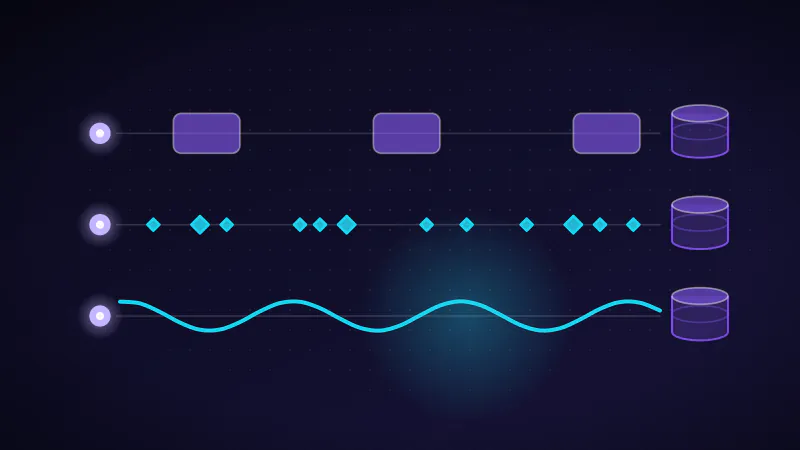
Illustration: three data lanes carrying periodic batches, individual change events and a continuous stream.

ComparisonData Architecture

CDC vs Batch vs Streaming

Compare batch extraction, log-based change data capture and event streaming on freshness, source load, deletes, replay and schema change.

Deepesh PatelDeepesh Patel13 min read

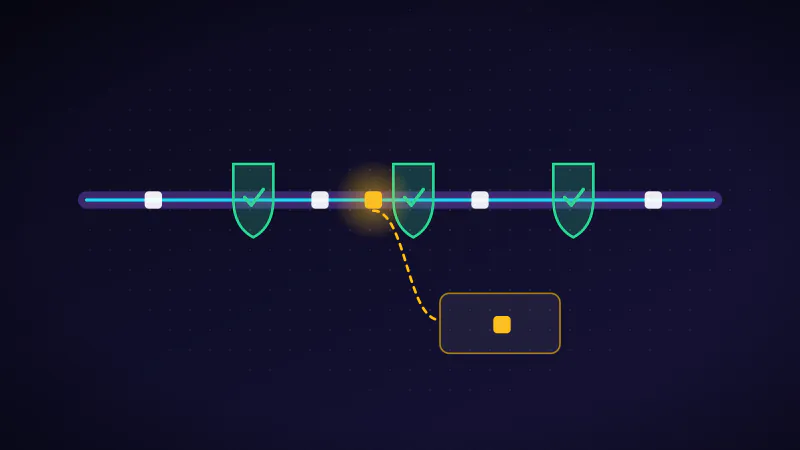
Illustration: a pipeline with checkpoint gates, one of which catches a bad record into quarantine.

Engineering guideOperations

Data Pipeline Reliability

How to make a data pipeline dependable: freshness objectives, the checks that detect failure, containment that protects readers, and safe replay.

Deepesh PatelDeepesh Patel12 min read

Illustration: bronze, silver and gold layers refining raw records into curated data.

Architecture guidePlatform Engineering

Medallion Architecture

What bronze, silver and gold layers each owe, when the medallion pattern earns three copies of the data, and the failure modes that make it expensive instead.

Deepesh PatelDeepesh Patel12 min read

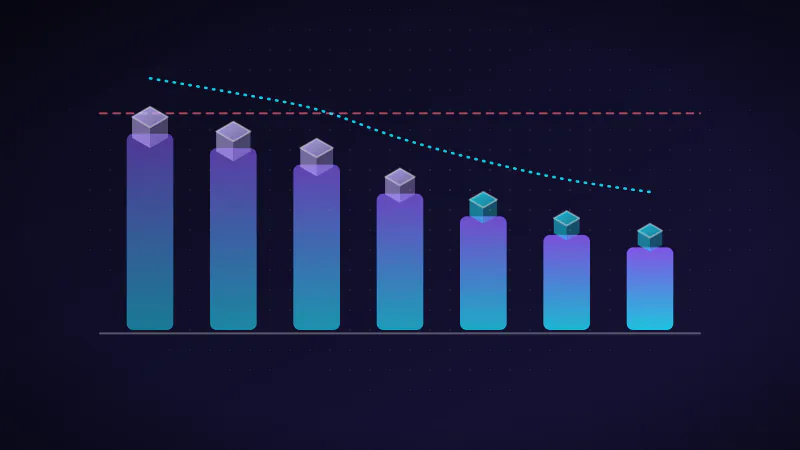
Illustration: warehouse compute sizes and costs stepping down below a budget line.

Architecture guidePlatform Engineering

Snowflake Cost Optimization

Where Snowflake credits actually go — warehouse runtime, serverless features, storage and time travel — and the architectural changes that reduce each one.

Deepesh PatelDeepesh Patel12 min read

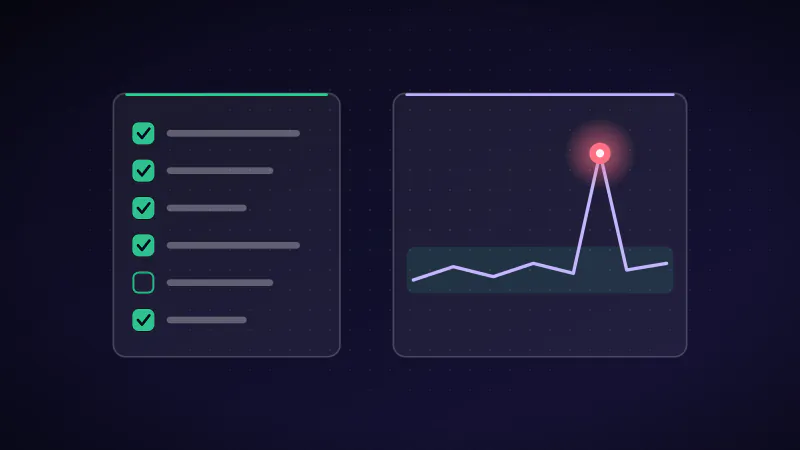
Illustration: a checklist of data quality rules beside a monitoring chart that flags an anomaly.

ComparisonOperations

Data Observability vs Data Quality

How data quality and data observability differ: stated rules versus learned behaviour, what each catches, and why neither replaces the other.

Deepesh PatelDeepesh Patel11 min read

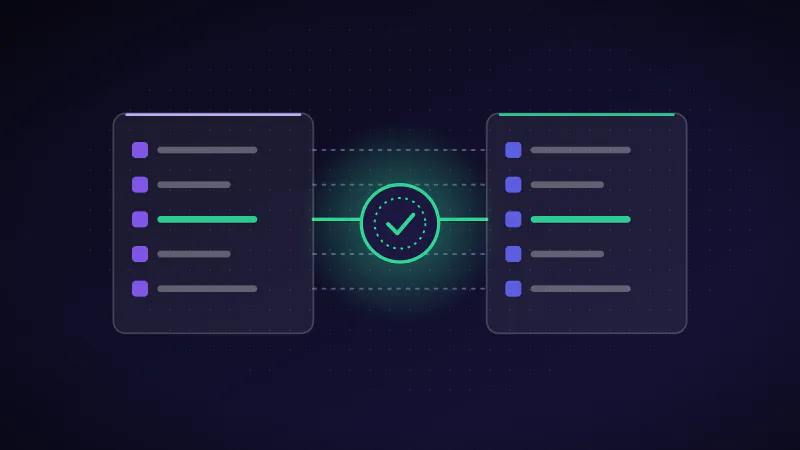
Illustration: producer and consumer schemas aligned field by field and sealed by an agreed contract.

Engineering guideOperations

Data Contract Architecture

How to design and enforce a data contract: what belongs in one, which compatibility rule to choose, and how to deprecate a field safely.

Deepesh PatelDeepesh Patel12 min read

Illustration: a central governance function connected to six domain teams in a federated model.

Operations guideOperations

Data Governance Operating Model

How to assign data governance decision rights across a central function, domain owners and the platform, and why federated models work.

Deepesh PatelDeepesh Patel12 min read

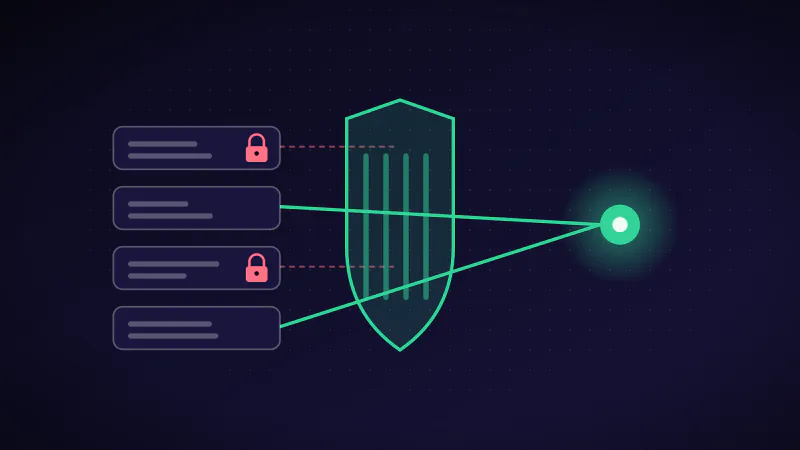
Illustration: documents passing an access gate, where only permitted sources reach the retrieval system.

Governance guideAI Systems

Governing Data Used by RAG

How to govern the corpus a retrieval system reads: approved sources, entitlement at query time, classification, deletion, index freshness and audit.

Deepesh PatelDeepesh Patel13 min read

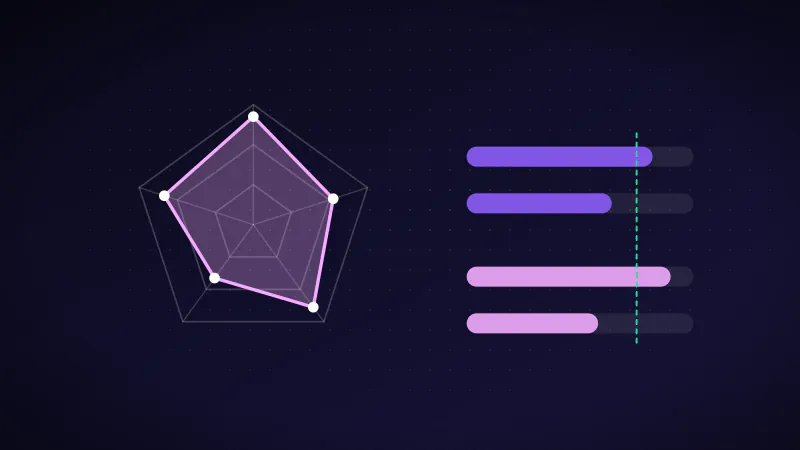
Illustration: a radar chart of evaluation scores beside retrieval and answer quality bars against a target.

Evaluation guideAI Systems

Evaluating RAG Systems

How to measure a retrieval system: separating retrieval from answer quality, testing refusal on unanswerable questions, and the metrics that mislead.

Deepesh PatelDeepesh Patel15 min read

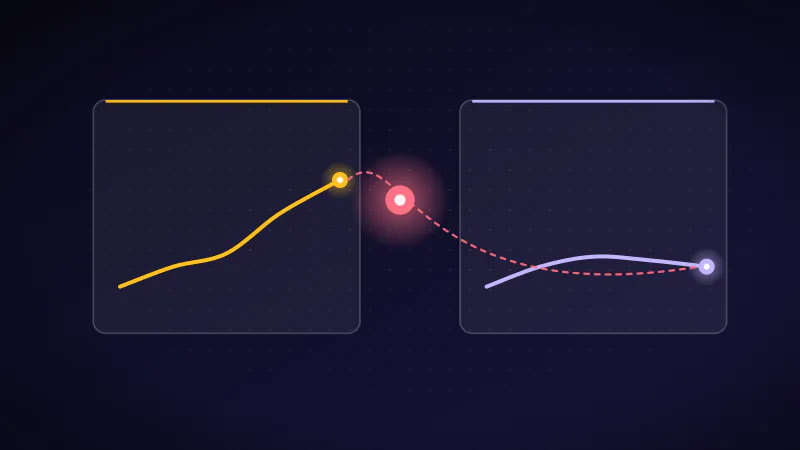
Illustration: two dashboards whose trend lines diverge, with the point of disagreement marked.

Analytics guideData Architecture

Why Two Dashboards Disagree

A diagnostic sequence for reconciling two dashboards that disagree: grain, filters, time basis, identity, refresh state and definition drift.

Deepesh PatelDeepesh Patel13 min read

Illustration: forecast errors counted three ways: equally, weighted by volume, and squared.

ComparisonData Architecture

MAPE vs WAPE vs RMSE

Which forecast accuracy metric to use and when: how MAPE, WAPE, RMSE and MAE behave on low-volume items, outliers and portfolio-level reporting.

Deepesh PatelDeepesh Patel12 min read

Illustration: a customer journey credited touch by touch, beside a treatment group lifted over a holdout.

ComparisonData Architecture

Attribution vs Incrementality

How attribution and incrementality differ, what each can and cannot establish, and when a holdout or geo experiment is the only credible answer.

Deepesh PatelDeepesh Patel13 min read

Illustration: repeated source records pass a behavior boundary into a governed warehouse, keeping the accepted row population distinct from delivered rows.

Engineering guidePlatform Engineering

Teradata to Snowflake Migration Guide

Scope a Teradata to Snowflake migration with duplicate handling, session semantics, batch dependencies, reconciliation and consumer cutover checks.

Deepesh PatelDeepesh Patel15 min read

Illustration: an Oracle analytical path branches away from operational responsibilities before a typed warehouse handoff.

Engineering guidePlatform Engineering

Oracle to Snowflake Migration Guide

Plan an Oracle to Snowflake warehouse migration around PL/SQL dependencies, null handling, extraction consistency, Exadata context and consumer parity.

Deepesh PatelDeepesh Patel15 min read

Illustration: a workflow graph separates SQL model transformations from scheduling, exception and publication responsibilities.

Engineering guidePlatform Engineering

Informatica PowerCenter to dbt Migration Guide

Plan an Informatica PowerCenter to dbt migration with mapping decomposition, incremental state, deletes, reject handling and orchestration boundaries.

Deepesh PatelDeepesh Patel15 min read

Illustration: a source cluster separates storage, compute and policy into a governed target, with permitted and restricted consumer paths.

Engineering guidePlatform Engineering

Cloudera to Databricks Migration Guide

Assess a Cloudera to Databricks migration across Spark, Hive, storage, scheduling and access, with workload dispositions and a permission matrix.

Deepesh PatelDeepesh Patel15 min read

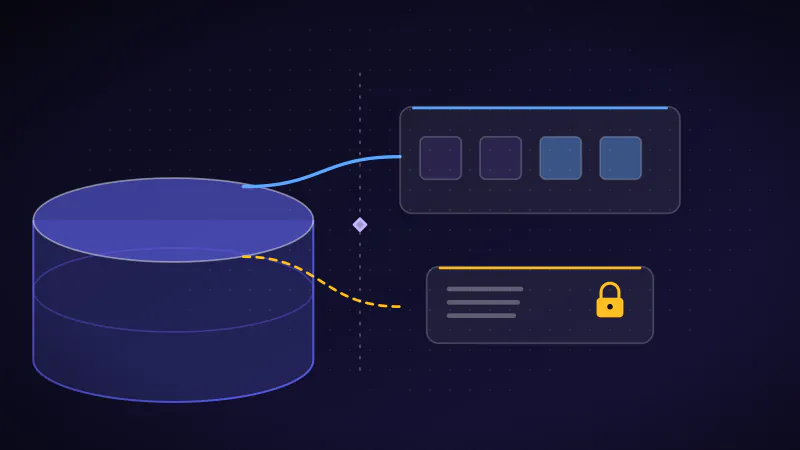
Illustration: identical numerical inputs follow line-level and aggregate calculation paths, producing different totals under a stated rounding contract.

Engineering guidePlatform Engineering

Netezza to Snowflake Migration Guide

Plan a Netezza to Snowflake migration with SQL and extension inventory, numeric transport, rounding fixtures, workload comparison and consumer cutover.
Deepesh PatelDeepesh Patel15 min read

From perspective to implementation

Knowledge that connects to the work.

Questions

About these guides.

Who writes these guides?

Each guide is written and reviewed by Deepesh Patel, Founder & Data Engineer. Guides state their assumptions, trade-offs and technical references, and vendor facts link to the vendor's own documentation.
Are the worked examples real client work?

No. Worked examples are hypothetical and labelled as such. Client work is published separately as case studies, and only with the client's written approval.

How are guides kept current?

Each guide shows the date it was last revised, and that date moves only when the guidance itself changes, not for wording edits.

Can we talk through a guide with the author?

Yes. Send a short brief or a WhatsApp message describing your situation and the guide you read; the reply comes from the people who do the engineering.

Your next data decision

Start with a clear problem.
Build what comes next.

Talk to a Data Expert

Bring the business question.
We'll help shape the engineering brief.